
Why breed choice matters so much
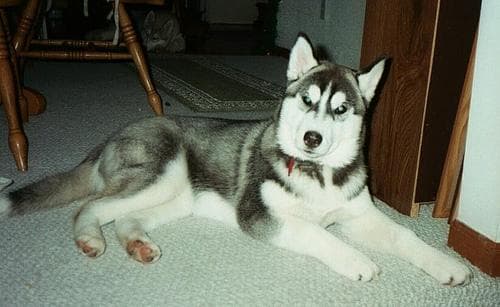
The most common reason dogs are surrendered in their first year is incompatibility: the dog's needs don't match what the owner can realistically provide. A Husky in a studio flat, a Border Collie with a sedentary owner, a Chihuahua in a household with young children — these mismatches end badly far too often.
The questions that actually matter
How much time do you have?
This single factor determines more than anything else. A working breed (Border Collie, Malinois, Vizsla) may need 2–3 hours of purposeful activity per day. An English Bulldog or Basset Hound is content with 30–45 minutes. Be ruthlessly honest.
Home size and outdoor access
There are no "flat dogs" or "garden dogs" — only dogs with different exercise requirements. A Greyhound can live happily in a flat given daily runs. A Jack Russell without exercise and mental stimulation is a destruction machine. Garden size matters less than exercise time.
Children or elderly family members?
Some breeds are reliably patient with children (Golden Retriever, Labrador, Boxer), others less suited. Size matters here too — a friendly Newfoundland can knock over a toddler without malice. Research temperament for the specific breed, not just the category.
Other animals in the home?
Breeds with strong prey drives (terriers, sighthounds, Nordic breeds) can be difficult to keep safely with cats or small animals. It's not impossible, but it requires very early, very careful socialisation.
Your experience level?
Some breeds are not recommended for first-time owners: Malinois, Chow Chow, Shar Pei, Akita — intelligent, strong or independent in ways that require experience and consistency. A Labrador or Golden Retriever is much more forgiving of novice handling mistakes.
Grooming and ongoing costs
Curly or long-coated breeds (Poodle, Bichon, Yorkshire Terrier) may cost £60–100/month at the groomer. Double-coated breeds (Husky, Malamute) shed heavily year-round. Large breeds eat more and cost more at the vet. Brachycephalic breeds (Bulldog, Pug, French Bulldog) have structural health issues and consistently higher vet bills throughout their lives.
Breed versus individual
Breed characteristics are probabilities, not guarantees. Every dog is an individual shaped by genetics, early socialisation and experience. This is one argument for adopting an adult dog from a shelter — the character you see is largely the character you get.
Rescue or breeder?
Shelters have dogs of every breed, age and size. Adopting an adult has the advantage of a known temperament. Buying from a responsible breeder gives more predictability and health guarantees — always insist on health tests appropriate to the breed (hip scores, eye tests, heart checks).