
What are perianal fistulas?
Perianal fistulas (also called perianal sinusitis or anal furunculosis) are chronic infected tracts and tunnels in the skin and subcutaneous tissue around the anus. They can be superficial or deep, solitary or multiple, and frequently interconnect into a painful network of draining sinus tracts.
The German Shepherd: most affected breed
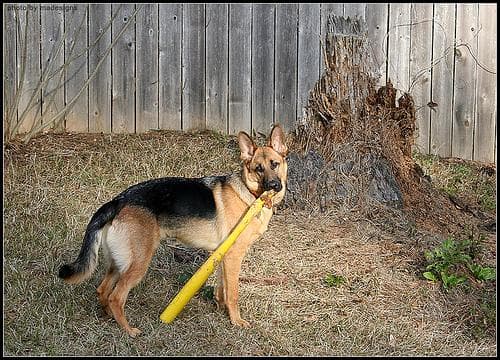
German Shepherds are disproportionately affected by perianal fistulas. Their low-set tail, carried close to the body, creates a warm, moist microenvironment that promotes skin maceration and infection. The breed predisposition points to an underlying immunological component — possibly an autoimmune mechanism similar to inflammatory bowel disease. Other breeds affected less frequently: Irish Setter, Boxer, Labrador Retriever.
Symptoms
- Compulsive licking or biting at the anal area.
- Purulent, bloody or faecal discharge from fistula openings.
- Very unpleasant odour from the anal region.
- Severe pain on defaecation: the dog cries, refuses to defaecate, may become voluntarily constipated.
- Difficulty sitting.
- In advanced cases: lethargy, weight loss, behavioural changes due to chronic pain.
Diagnosis
Diagnosis is primarily clinical: visible fistula openings around the anus are diagnostic. A full assessment requires general anaesthesia to map the extent of the tracts. Colonoscopy or CT may be useful to rule out concurrent inflammatory bowel disease (very common in German Shepherds with perianal fistulas).
Treatment
Medical treatment (first-line)
Over the past 20 years, medical treatment has replaced surgery as the preferred first step:
- Oral cyclosporine — the most effective treatment. Suppresses the local immune response. Dose 5–7 mg/kg/day for 3–6 months; then gradual tapering. Complete remission in 60–85 % of cases. Main drawback: cost.
- Combination with ketoconazole: inhibits hepatic cyclosporine metabolism, allowing a 50 % dose reduction without losing efficacy.
- Topical tacrolimus 0.1 %: local immunomodulator effective for superficial, limited lesions.
- Elimination diet: given a possible food hypersensitivity component, a hypoallergenic diet is recommended during treatment.
Surgery (second-line)
Reserved for cases refractory to medical therapy, deep fistulas involving the anal sphincter or frequent relapses. Risk of post-operative faecal incontinence is significant in severe cases.
Long-term management
Perianal fistulas are prone to relapse. Many dogs require lifelong maintenance therapy (cyclosporine every other day) and regular check-ups. Careful anal hygiene — gentle cleaning with diluted chlorhexidine and thorough drying — helps minimise secondary infections.