
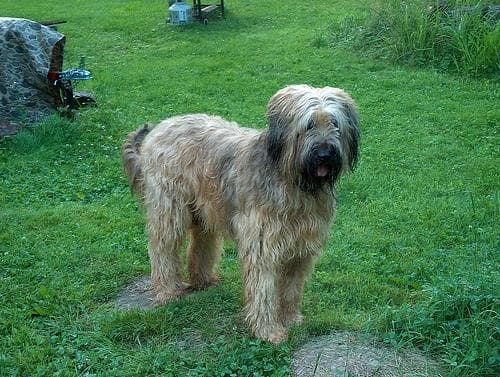
Why Does My Dog Eat Grass? The Science Behind a Very Common Behaviour
You're on a walk, your dog stops, sniffs a patch of grass, eats a few blades — and you start wondering if something's wrong. Possibly throws up. Probably carries on as if nothing happened.
Grass-eating is one of the most common dog behaviours owners ask vets about. Here's what research actually shows.
What the research says
A 2008 study published in Applied Animal Behaviour Science (Sueda, Hart & Cliff) surveyed 1,500 dog owners:
- 79% of dogs had eaten grass at some point.
- Only 22% vomited afterwards regularly.
- Most dogs showed no signs of illness before eating grass.
This largely disproves the popular belief that dogs eat grass specifically to make themselves sick. That's true for a minority. For most, it's something else.
Why dogs eat grass — the main theories
Evolutionary/instinctive behaviour
Wolf gut contents regularly contain plant material. Grass-eating may simply be a retained ancestral behaviour with no specific function in domestic dogs — they do it because their wild ancestors did.
Fibre supplementation
Some researchers suggest dogs eat grass to add indigestible fibre to their diet. If your dog eats grass frequently, it might be worth checking the fibre content of their food.
Relieving stomach discomfort (for some dogs)
The subset of dogs that shows signs of nausea before eating grass (excessive swallowing, restlessness, drooling) may indeed be using grass as self-medication. This is real but not the majority case.
They like it
Fresh spring grass can be genuinely palatable to dogs. Not every behaviour needs a deeper explanation.
Boredom
Chewing grass can be a self-stimulating activity for dogs without enough to do.
Is grass dangerous for dogs?
Plain, untreated grass is harmless. Watch out for:
- Herbicides and pesticides: treated grass can cause poisoning, sometimes hours later. Avoid parks and gardens where chemicals are used.
- Ornamental plants nearby: make sure your dog isn't eating toxic garden plants along with the grass (foxglove, rhododendron, yew, oleander).
- Parasites: grass contaminated by animal faeces can carry larvae. Regular worming protects against this.
When to see a vet
Most grass-eating doesn't need a vet visit. Go when:
- Your dog is eating large amounts compulsively (not just occasional nibbles)
- Vomit contains blood or mucus
- Grass eating coincides with other symptoms: loss of appetite, diarrhoea, lethargy, weight loss
- It's a sudden new behaviour in a dog that never did it before
FAQs
- Should I stop my dog eating grass?
- If the grass is safe (untreated, no toxic plants nearby), there's no reason to. For occasional, calm grass-eating, it's normal behaviour.
- Can I grow grass at home for my dog?
- Yes — cat grass (barley or oat grass) works for dogs too. Available at garden centres and pet shops. A safe, controlled alternative.
- Does it mean my dog is lacking something?
- Possibly fibre, if it's very frequent. Check the fibre content of their food. Without other symptoms, it's usually nothing to worry about.